Harsh-environment & high-temperature electronics
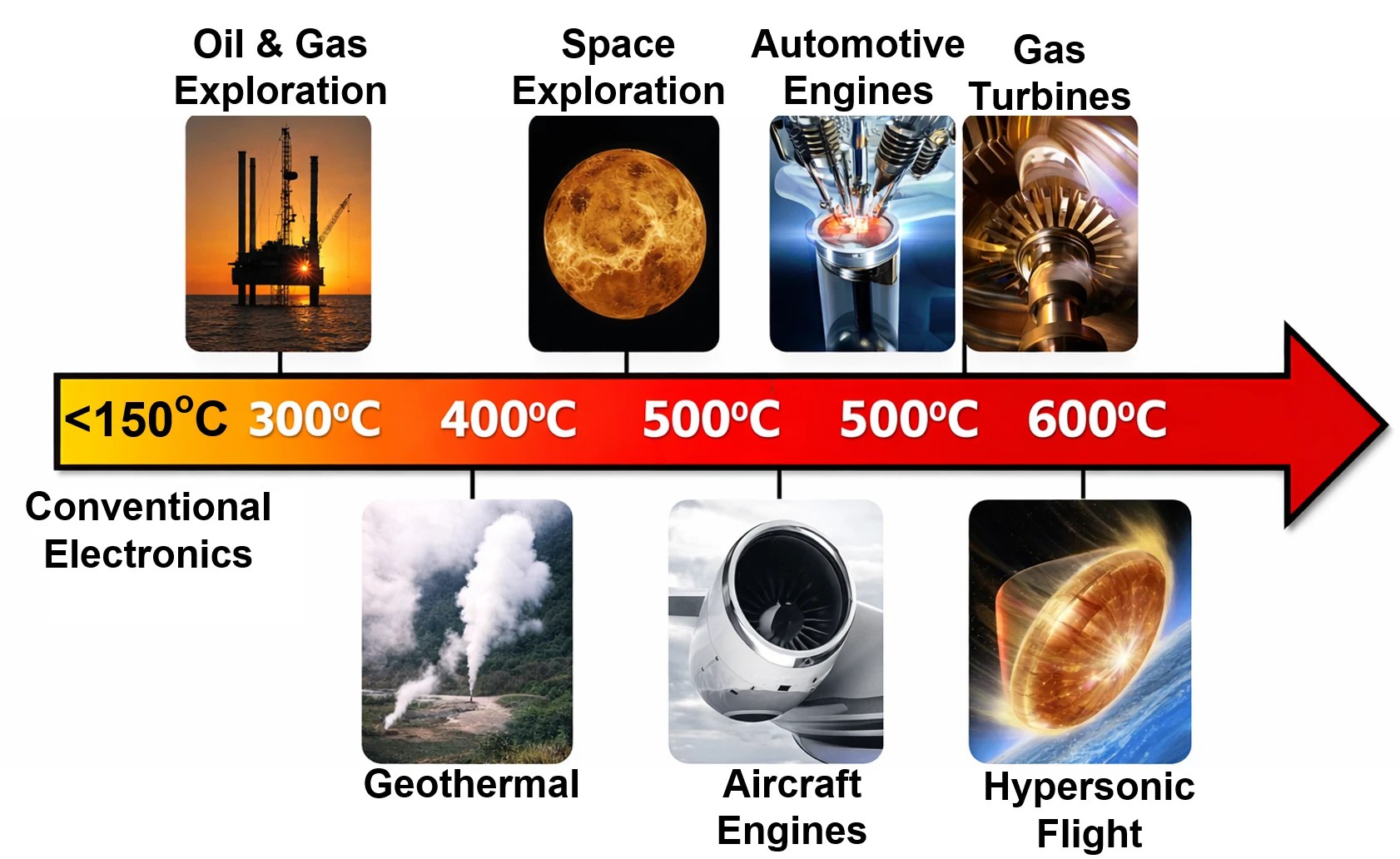
Aircraft engines, spacecraft and planetary exploration missions, oil and gas wells, and industrial plants all need sensing and communication electronics that survive extreme temperatures and harsh conditions. We develop circuit techniques in gallium nitride (GaN) and other wide-bandgap technologies, characterize devices up to 600 °C, and build fully integrated wireless monitoring systems for aerospace, space exploration and industrial applications.

Low-power transceivers for high-speed serial links
Data movement dominates the energy budget of modern computing and networks. We design energy-efficient wireline transceivers, including equalizers, data converters and clocking circuits, for next-generation high-speed serial links.
Industrial sensor interfaces
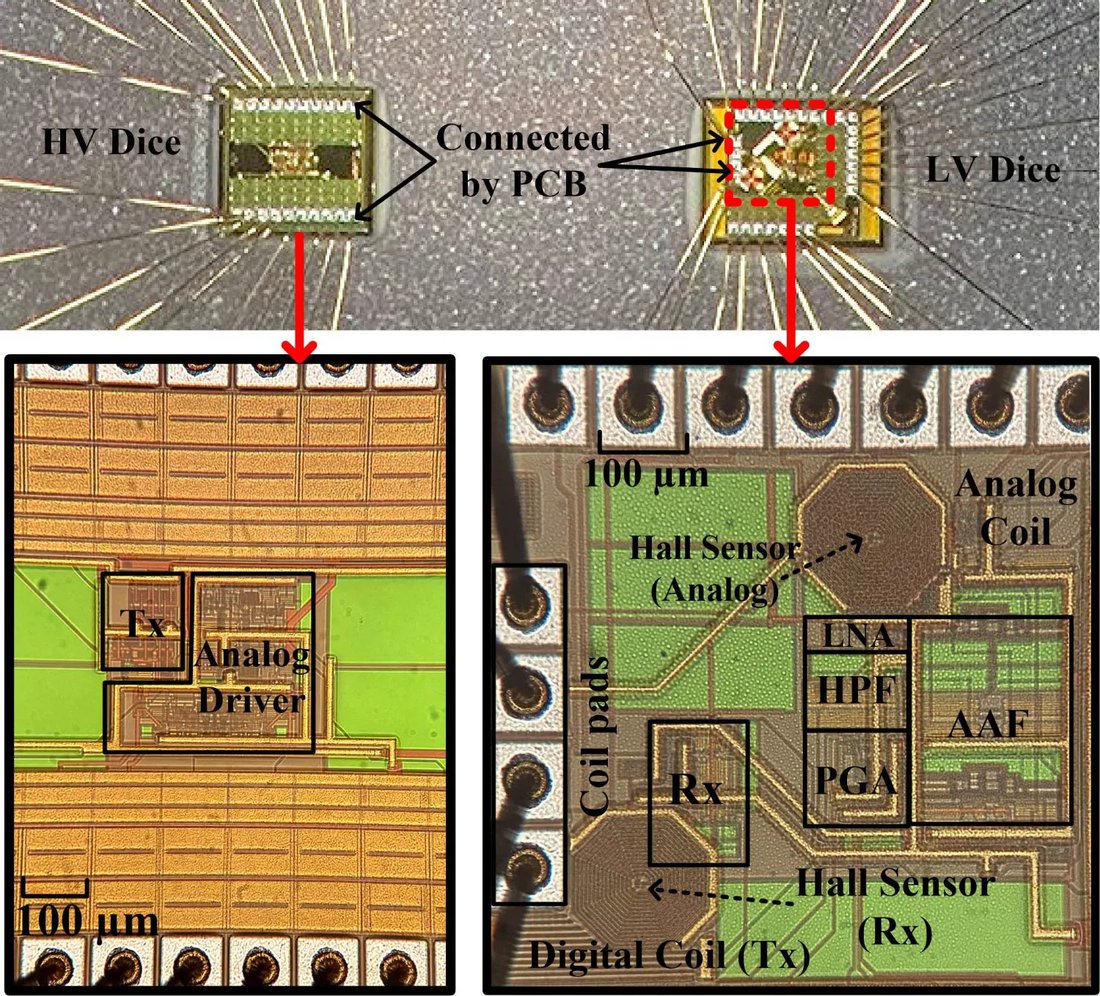
We build systems-on-chip and chiplet-based interfaces for aerospace and industrial sensors: galvanic digital isolators, high-voltage protection, reconfigurable analog front ends, gate drivers, DC-DC converters and on-chip thermal management.
Photonic & neuromorphic computing
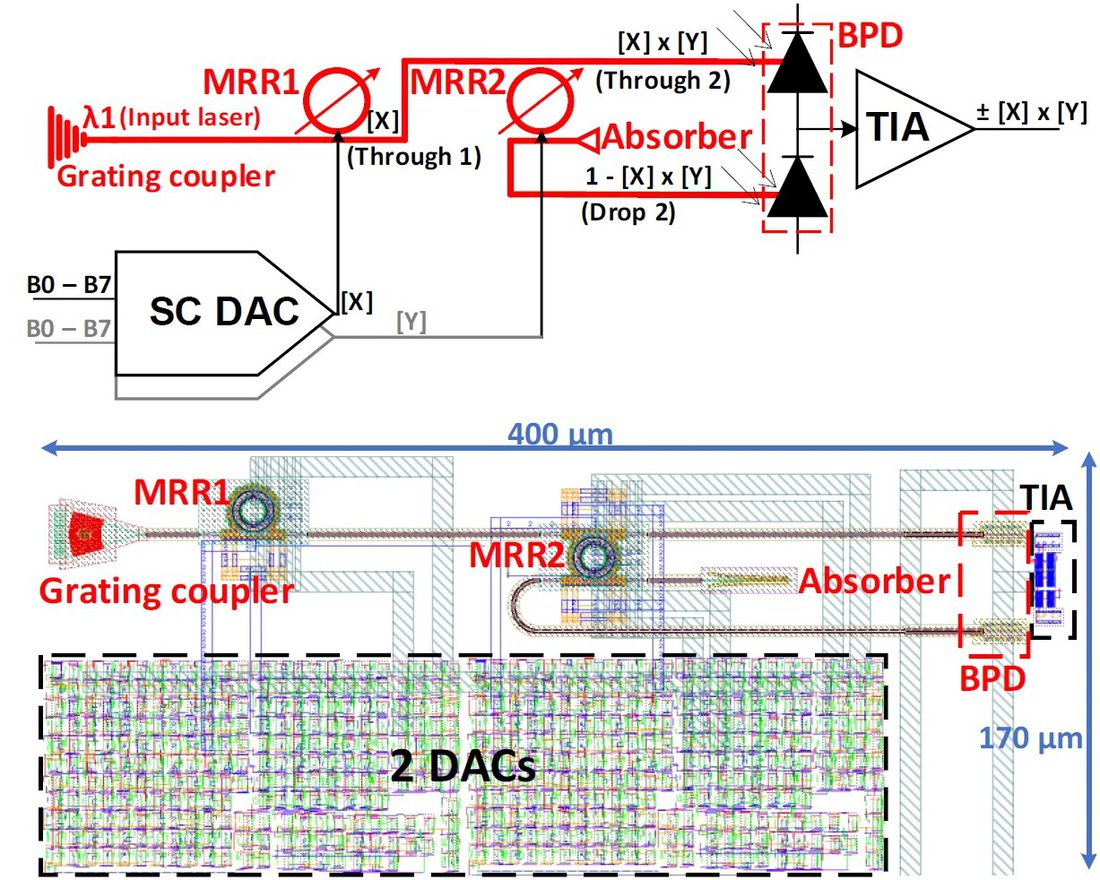
Photonics promises fast, energy-efficient AI hardware, but only if the electronics around it keep up. We co-design electronic and photonic circuits, including integrated photonic dot-product engines, nonlinear activation circuits and electro-optic simulation frameworks, for neuromorphic processors.
AI for circuit design
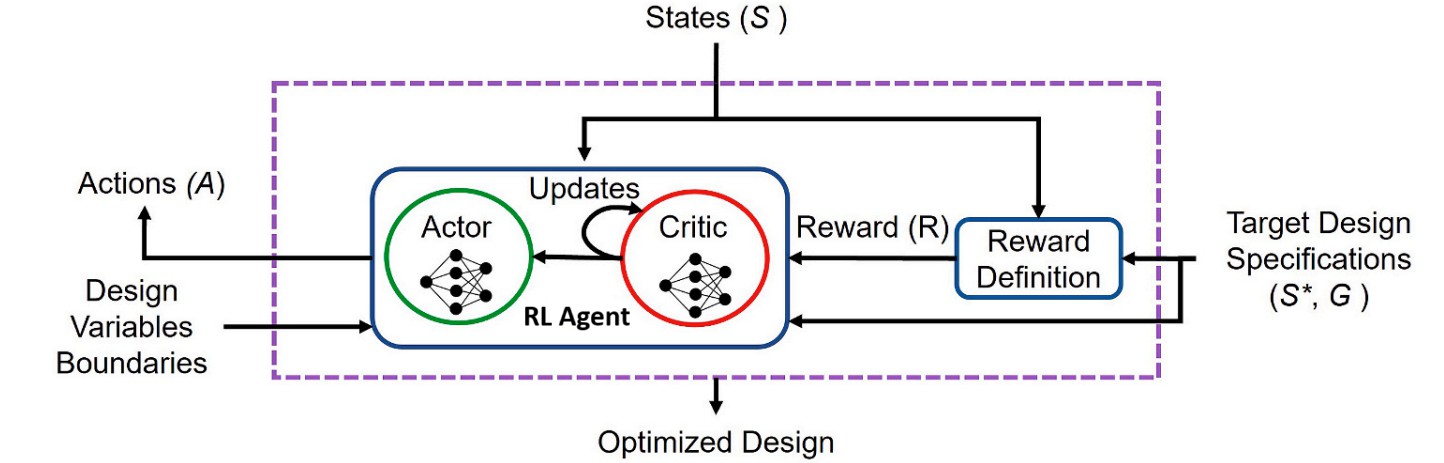
Analog design is still slow and expert-driven. We use deep reinforcement learning and other AI methods to speed up the sizing and optimization of analog and mixed-signal circuits.